Games are widely used across age groups and remain influential social and cultural artifacts. In the United States, more than 205 million people play digital games for at least 1 hour per week (Entertainment Software Association, 2025), while the continued growth of new board-game titles reflects sustained interest in physical games (Rubio-Campillo, 2024). Research has increasingly examined games in education (Akhmetova et al., 2025; Chen et al., 2022), with educators recognizing their potential to improve learning and motivation (Gomez et al., 2023). Reported benefits include teamwork, collaboration, and communication (Mavroudi et al., 2022); vocabulary development (Thompson & von Gillern, 2020); and motivation and engagement (Delage et al., 2024; Khalafalla & Alqaysi, 2021; Lester et al., 2023; Tang & Taguchi, 2021).
Game-based learning (GBL), an educational approach that integrates physical or digital games into the classroom for learning purposes (Barreto & Ertzberger, 2026), has become prominent over the years. This approach is grounded in constructivist principles, where learning is viewed as an active process, and learners construct knowledge from experiences within their context (Jaiswal, 2021; Schunk, 2008). Positive learning outcomes have been associated with GBL approaches. For instance, students in a GBL context have outperformed those in nongame conditions (Gui et al., 2023). Additionally, students using GBL have shown more effective learning than those who are nonusers (Chen et al., 2021). Still, the implementation of GBL strategies in schools is dependent on teachers, but they may lack pedagogical readiness to integrate GBL into their classroom, lessons, or curriculum (Belda-Medina & Calvo-Ferrer, 2022; Easterling, 2021). Moreover, GBL is a neglected topic in teacher preparation, with limited opportunities to develop competencies and skills in this area (De Smet, 2024), and limited training opportunities can be a reason to avoid GBL implementation in the classroom (Kaimara et al., 2021). Teacher preparation on GBL is important because it will cater to the needs of their own students and can impact their students’ motivation and learning (Chen et al., 2020; De Smet, 2024).
Teachers’ perceptions and experiences influence whether they adopt games in their practice (Kuo et al., 2026; Yaman et al., 2024). Although attitudes toward classroom games are generally positive, near-term implementation remains limited (An, 2018; Ragni et al., 2023; Yang, 2021). Integrating GBL into teacher-preparation and technology courses can help preservice teachers (PSTs) develop the knowledge and design experience needed to create instructional materials for their content areas (Hernandez & Ramirez, 2024; Kuo et al., 2026). Preparing teachers during their educational programs is, therefore, essential for supporting future classroom implementation.
With the emergence of generative artificial intelligence (AI), creating educational games has become easier for teachers. These technologies can reduce barriers to educational game creation by supporting brainstorming, standards alignment, visual development, and rapid prototyping. Research on AI-driven GBL has reported increased student engagement and instructor-observed motivation (Alenezi, 2023; Safdar et al., 2025), while adaptive systems may sustain interest by adjusting difficulty and rewards (Salmanova, 2025). Educators nevertheless identify technical limitations, curriculum-alignment challenges, and professional-development needs (Alenezi, 2023). Teacher preparation should, therefore, provide opportunities to use AI critically in coursework and future practice.
In summary, there is limited pedagogical readiness and game design competence among teachers, even if they show positive attitudes and perceptions toward GBL (Belda-Medina & Calvo-Ferrer, 2022; De Smet, 2024; Easterling, 2021; Kaimara et al., 2021). Additionally, teachers should be involved in the educational game design process (An, 2018). Given that the implementation of GBL interventions in PST programs may help mitigate these concerns, this study examined the impact of a game-based design and instructional module in Instructional Technology courses on PSTs’ perceptions of game-based instruction in K-12 classrooms. Given that little is known about AI‑driven game design, PSTs were encouraged to use AI tools to plan, brainstorm, and develop their own games for K-12 students to facilitate the game design process. Working in small groups, they designed and developed educational games in either traditional board or digital game format.
Literature Review
GBL in Education
GBL draws primarily on constructivist theories, which emphasize knowledge construction through prior knowledge and experience (Wang et al., 2023). Piaget’s (1983) work, which is foundational for constructivism, positions learning as dependent on learners’ actions toward an object, such as a game, and on learning how to perform those actions. GBL also draws on motivational theories, including Self-Determination Theory, which emphasizes competence, autonomy, and relatedness; Expectancy-Value Theory, which addresses choice, persistence, and performance; and Goal-Setting Theory, which links task performance to goal setting (Barreto & Ertzberger, 2026).
As a pedagogical strategy, GBL supports teaching and learning through the use of games (Barreto & Ertzberger, 2026; Jaiswal, 2021), and it can be effective in engaging and motivating students by incorporating novelty into the classroom routine and increasing students’ interest in learning new material (Breien & Wasson, 2021; Yaman et al., 2024). Another key aspect of GBL lies in games themselves, which provide the context or environment for learners to engage in meaningful experiential learning (Yaman et al., 2024). Students can apply their knowledge of a subject or topic in a game, free to fail without real-life consequences (Acquah & Katz, 2020). Additionally, practicing their knowledge and skills in games can help students transfer these experiences to real-life situations.
Integrating games into learning can improve academic outcomes and support 21st-century skills. GBL has enhanced learning in science, technology, engineering, and mathematics (STEM) and second-language contexts (Acquah & Katz, 2020; Gui et al., 2023; Thompson & von Gillern, 2020), supported longer knowledge retention than traditional methods (Chen et al., 2022), and promoted critical thinking through choice and decision-making (Ntokos, 2019). Game-based problem solving can foster engagement, multiple perspectives, collaboration, and communication (Duncan, 2020; Hwang et al., 2015; Shin, 2024), while customization and content creation can support creativity and writing (Barreto et al., 2017; Dwyer, 2018; Huertas-Abril & Muszyńska, 2023).
AI-Driven Game Design and Learning Environments
Generative AI (GenAI) has reduced barriers to content development by allowing teachers and students to use prompts — commands that guide a tool’s output — to rapidly create and refine educational materials, including games (Liu et al., 2023). Recent applications of GenAI in GBL include interactive nonplayer-character dialogue, adaptive assessment and feedback, and real-time scaffolding (Gong et al., 2026). Although game-based approaches can support problem-solving and analytical thinking relevant to AI literacy (Leitner et al., 2023), overreliance on GenAI may undermine deep learning (Gong et al., 2026). GenAI should, therefore, support ideation and knowledge construction rather than replace learner judgment.
Game making has long supported learning through design (Kafai & Burke, 2016). When aligned with educational goals, game design creates a constructionist environment in which learners build, test, and revise artifacts. Although AI-integrated GBL research has reported positive effects on engagement, motivation, and learning (Cha et al., 2025; Ng et al., 2024; Zhu et al., 2025), most studies examine learning through completed games rather than learning through the design process. Using AI for game creation positions teachers and students as developers rather than passive technology consumers (Dyulicheva & Glazieva, 2021) and requires PSTs to negotiate design decisions, AI affordances, and instructional goals.
GBL in Teacher Education
Teachers identify both advantages and challenges when implementing GBL and game design. Game design in teacher education suggests teachers’ attitudes and perceptions of GBL are predominantly positive (Gaudelli & Taylor, 2011; Gerber & Price, 2013). A previous study has shown PSTs’ intention to teach with games is associated with the games’ perceived usefulness for teaching, social influence, and curriculum-relatedness (Rüth et al., 2022). Despite their motivation to use games, teachers often do not receive adequate training to implement GBL (Belda-Medina & Calvo-Ferrer, 2022), hindering its effective use in the classroom. Games’ effectiveness in the classroom is not a result of the “game effect” alone; on the contrary, it is dependent on teachers’ pedagogical practices, knowledge, and skills (Nousiainen et al., 2018; Rulyansah et al., 2023). Without proper training in GBL, teachers may demonstrate low self-efficacy or feelings of incompetence when using games, preventing them from adopting such strategies (Ragni et al., 2023).
Furthermore, certain barriers identified in the literature underscore the need for formal teacher preparation on GBL integration. For instance, many educators demonstrate limited pedagogical readiness and lack expertise in game design principles, hindering their ability to effectively integrate games into the curriculum (Nautiyal et al., 2024). A study examining teacher training practices on GBL found that most teachers liked GBL features, including immediate feedback and student motivation. They also identified barriers such as cost, inadequate preservice preparation, and lack of professional development opportunities, indicating a need for increased education and exploration of tools (Easterling, 2021). Similar results were found among higher education instructors, who indicated that GBL practices enhanced student engagement, interest, and knowledge acquisition while also increasing their own motivation to teach. Conversely, challenges faced included a heightened cognitive load and stress for students (Jääskä & Aaltonen, 2022).
Persistent Challenges in GBL Implementation
GBL implementation is often hindered by complex mechanics, unclear rules, technical instability, and unreliable platforms, all of which can distract from learning and frustrate students (Lomas et al., 2017; Marklund & Taylor, 2016). Competitive elements may also produce anxiety or disengagement, while labor-intensive gameplay and unpredictable time demands can make GBL seem inefficient or unfair in tightly structured curricula (Šćepanović et al., 2015).
Implementation challenges faced by educators frequently translate into negative experiences for students. Developing or adapting educational games is often costly, time-intensive, and resource-heavy, requiring both technical expertise and access to appropriate equipment (Al-Azawi et al., 2016). Many instructors report lacking the time needed to identify, evaluate, and effectively integrate learning games into their courses (Jääskä & Aaltonen, 2022). In fact, it can be difficult for educators to distinguish between high-quality educational games and those that are merely “drill and practice.” Without training and instructional support, they may struggle to identify and select games that support higher-level cognitive processes (Villa III et al., 2023).
These instructor-level limitations shape student perceptions in significant ways. When games are poorly integrated, insufficiently explained, or inconsistently used, students are more likely to view GBL as confusing or unnecessary. In contrast, when instructors demonstrate confidence, provide clear instructional framing, and align gameplay with learning objectives, students are more inclined to share instructors’ positive views of GBL effectiveness. The next section covers a framework to support teachers’ preparation and training in GBL planning and integration.
Conceptual Framework
This study adopts the Technological Pedagogical Content Knowledge-Games (TPACK-G) framework (Hsu & Chai, 2012). TPACK-G is derived from a foundational framework known as technology, pedagogy, and content knowledge (TPACK; Koehler & Mishra, 2005) which provides teachers with the knowledge needed to teach effectively with technology (Voogt et al., 2013).
To understand TPACK-G, it is important to first examine the foundational principles of TPACK before exploring how the framework was adapted to the context of digital games. TPACK involves three main core interconnected elements whose relationship forms the framework: content, pedagogy, and technology. A few intersections of these elements, especially technological pedagogical knowledge (TPK), are important to note, as they emphasize teachers’ knowledge of integrating technology into teaching without specific reference to content knowledge (Hsu et al., 2013). Still, not all technologies should be treated the same way, especially when some tools require deeper understanding and more preparation to integrate effectively into the classroom. Thus, the TPACK framework has been expanded to include and integrate various types of technology, such as games.
TPACK-G framework is designed to assist teachers in integrating games into the classroom and is composed of the following elements: game knowledge (GK), which involves teachers having a general knowledge of games; game pedagogical knowledge (GPK), which is the knowledge of the implementation of games with “pedagogical characteristics for teaching without specific reference to content knowledge” (Hsu et al., 2013, p. 103); and game pedagogical content knowledge (GPCK), which is the knowledge of integrating games into teaching methods for any subject (Hsu & Chai, 2012).
The adapted and expanded framework (TPACK-G) proposed by Hsu and Chai (2012) does not include all the elements of TPACK, as previous studies have already examined those. The focus of TPACK-G is the integration of game technology, and only the dimensions related to it have been included and discussed in this section as it relates to this study.
Although Hsu and Chai (2012) presented TPACK-G in a pyramid format moving from foundational knowledge at the base to specialized knowledge at the top, we inverted the design of the framework to function as a funnel (see Figure 1), which is more appropriate for the approach of this study. That is, PSTs must build their knowledge of games first by starting with GK, progressing to GPK, and finally to GPCK. If PSTs have nonexistent knowledge about games, they will not develop their knowledge and skills in GPK or GPCK (Hsu & Chai, 2012). Thus, the study proposes to develop GK in PSTs and prepare and scaffold them for GPK and GPCK through a game design experience, which has been created to engage PSTs in developing knowledge about games, aligning disciplinary content with game mechanics and design elements, and creating lesson plans that facilitate the integration of their games into their future classroom contexts.
Figure 1
TPACK- G Funnel

Research indicates that GPK is the strongest predictor of GPCK (Hsu et al., 2020; Kuo & Kuo, 2024). Teachers’ experiences with games, attitudes towards GBL, and personal factors, such as gender, influence their integration of games into the classroom (Hsu et al., 2013; Kuo & Kuo, 2024). Additionally, teachers with higher levels of motivation and self-efficacy in integrating digital games demonstrate better integration into their classrooms (Kuo & Kuo, 2024). Elementary school teachers tend to have higher self-efficacy in GPK and GPCK, compared to junior high school teachers (Hsu et al., 2020). Therefore, it is important to build foundational knowledge of games and how to plan for their integration into education at the PST level to support and prepare them for their future teaching practices, which is the goal of the game design experience proposed in this study.
Significance of the Study
The purpose of this study was to prepare PSTs for effectively integrating GBL into their future K-12 classrooms. By examining the impact of a game-based design and instruction module on PSTs’ perceptions of GBL and game-based design instruction, this research aimed to provide educational programs with insights into ways to cultivate the necessary knowledge and skills early in the development of PSTs. Furthermore, by adopting the TPACK-G framework in the design and development of game content and instruction for PSTs, this study may contribute to understanding how to foster specific knowledge dimensions essential for successful game integration, which are considered strong predictors of teachers’ competency in this area.
Research Questions
- What are PSTs’ perceptions of game-based learning?
- What is the PST’s experience in game-based design instruction?
Methodology
Research Design
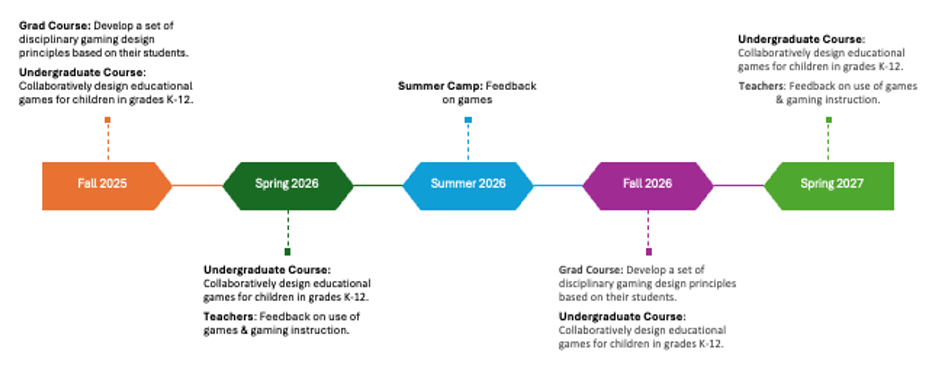
Educational design-based research (EDBR; McKenney & Reeves, 2019) was implemented in this study. This approach is commonly used in design studies where researchers design an intervention or a solution (i.e., a game design experience), grounded in theoretical concepts, to be deployed with participants. The solution is evaluated and later improved because of its implementation. These revisions and refinements occur through an iterative process after each implementation cycle. In this study, a game design experience was planned as a solution to address the current gap in PSTs’ preparation and readiness in GBL. Figure 2 presents the research cycle and the multiple iterations for this study.
Although the research cycle includes different participants across phases, the study discussed in this article focused only on the PSTs’ experiences from fall 2025. The PSTs’ perceptions in designing K-12 games were examined to understand their design experience and the use of tools for game development, including AI tools. Consequently, their perceptions of this experience also inform the improvement of the solution for future iterations. A set of different instruments, drawing from both qualitative and quantitative approaches, was deployed in this study to strengthen the data triangulation and enable an in-depth exploration of PSTs’ perceptions of game-based instruction and their use of AI tools in game design processes.
Figure 2
Research Cycle Process for Game Design Experience
Setting and Course Context
The study took place at a regional Research 2 university in the southeastern United States. Ethical approval for this study was obtained from our Institutional Review Board prior to data collection. Informed consent was obtained from all participants.
Data were collected in four sections of a required undergraduate Instructional Technology course for PSTs across multiple licensure programs (e.g., early childhood, elementary, middle grades, special education, arts, and physical education). The course was offered in multiple formats during the same semester (two in-person and two online sections). All sections implemented a standardized GBL Module (see Table 1), with consistent instructional objectives and deliverables across formats.
Table 1
Description of the Game-Based Learning Module
| Module Phase | Instructional Activity | Purpose and Learning Focus |
|---|---|---|
| Phase 1: Pedagogical Grounding | Introduction to game-based learning pedagogy | Establish foundational understanding of GBL, its purposes, and instructional affordances |
| Phase 2: Literacy & Technology Integration | Reading and class discussion of a literacy-focused article addressing technology integration | Connect game-based learning to literacy development and instructional goals |
| Phase 3: Collaborative Design Setup | Students select groups based on teaching interests | Support collaboration and alignment with intended grade levels and content areas |
| Phase 4: Experiencing Games as Learners | Students design a simple bingo game and play selected board and digital games | Build experiential understanding of game mechanics, rules, feedback, and engagement |
| Phase 5: Game Analysis | Completion of a structured game analysis task | Analyze learning affordances, mechanics, and instructional potential of existing games |
| Phase 6: Self-Paced Learning | Completion of self-paced GBL module lessons | Reinforce concepts related to game design, pedagogy, and classroom application |
| Phase 7: Design Planning | Groups complete a game planning form using feedback data from in-service teachers and K–12 students | Translate practitioner and student voice into concrete design decisions |
| Phase 8: Prototype Development | Creation of a draft game prototype and companion instructional guide | Apply pedagogical, literacy, and design principles to game creation |
| Phase 9: Peer Review and Submission | Peer sharing of draft prototypes and submission of final game prototype | Refine designs through feedback and finalize instructional game products |
Participants and Recruitment
Participants were PSTs enrolled across the four course sections (n = 83): two in-person (n = 45) and two fully online (n = 38). Students were invited to participate at the beginning of the GBL Module through recruitment messages embedded in the course learning management system. Participation was voluntary and did not affect course grades. Students who consented completed a presurvey and were subsequently invited to participate in individual interviews. A total of 22 students consented to participate in the study.
Participant demographics reflected common characteristics of the program population (predominantly White women, n =19, ages 18–40; one White male, age 22–50; one Black woman, age 19–35; and one participant identifying as another racial/ethnic identity, age 24–30). Three participating students reported documented disabilities. To protect confidentiality, the research team assigned pseudonyms and removed identifying details from interview transcripts and written responses.
Description of the Game Design Experience
The required Instructional Technology course implemented the GBL module across all sections in fall 2025. The structured intervention asked PSTs to develop foundational GBL knowledge, analyze existing games, design an educational game aligned with K–12 goals, and use AI tools for ideation, planning, or development when appropriate. Table 1 summarizes the sequence of activities and deliverables.
In addition, PSTs reviewed practitioner-facing feedback derived from interviews conducted in a separate graduate-level disciplinary literacy course, which provided contextual information about youth’s gaming motivations and preferences. These insights were used as design constraints and/or inspiration for prototype development.
Data Collection Methods
Consistent with the EDBR, data collection was designed to capture multiple dimensions of PSTs’ experiences with the GBL Module across authentic instructional settings. Multiple data sources included pre- and postsurveys, individual interviews, researcher observations, and analysis of student-developed game artifacts by instructors for course evaluation and by researchers who were not course instructors to ensure the integrity of the research analysis. Data sources were used to support triangulation and to provide formative evidence about the module’s design, implementation, and impact (as recommended by Barab & Squire, 2004). Data were collected across four sections of the Instructional Technology course during the fall 2025 semester — two in-person and two fully online.
Surveys (Pre and Post)
Pre- and postsurveys were administered via Qualtrics at the beginning of the GBL Module to establish baseline data on participants’ prior experiences with games, knowledge of game-based instruction, and initial perceptions of using AI tools in game design. The presurvey consisted of both closed-ended items and open-ended response prompts. A postsurvey was administered upon completion of the GBL module using the same platform. The postsurvey was designed to assess shifts in participants’ perceptions of GBL and to gather reflective feedback on the game prototype development process.
Postsurvey completion was unexpectedly low (n = 3) among 22 consenting participants; consequently, postsurvey data are reported descriptively as illustrative, formative evidence and are not used to make claims about pre-to-post change at the group level.
Interviews
A semistructured interview approach, with open-ended questions and follow-up probes (as recommended by Roulston, 2010), was implemented. Participants were invited to participate in individual, virtual interviews lasting approximately 30 minutes following the completion of the GBL Module. Interviews were conducted via video conferencing, audio-recorded with participant permission, transcribed verbatim, and deidentified prior to analysis. Three participants volunteered for interviews: two females (Addison and Cathryn) and one male (John); all names used are pseudonyms given to participants. An interview protocol guided each session. Interview questions prompted participants to reflect on the following:
- Their understanding of GBL and its instructional purposes.
- Their experience with the game design process, including collaborative decision-making and design constraints.
- How and why they used — or chose not to use — AI tools during brainstorming, planning, or development.
- Their perceived feasibility of implementing games in future K-12 classrooms.
- Their perceived benefits and limitations of the GBL module.
Researcher Observational Notes
Observational data were maintained by a member of the research team during the in-person sections of the GBL module. This researcher documented the participants’ design process and problem-solving approaches, as well as how they responded to and interacted with AI tools while designing games and brainstorming game ideas. Observations were not conducted in the online sections because the course’s asynchronous format did not provide real-time access to students’ design processes. This difference in data collection across modalities is acknowledged as a limitation of the current implementation and is identified as a design consideration for future iterations of the module and gaming design experience.
Game Prototypes and Companion Guides
All student groups across the four course sections submitted a game prototype and an accompanying instructional companion guide as a required course deliverable. A total of 29 prototypes were submitted. For research purposes, artifact analysis was limited to prototypes linked to consenting participants. Artifact analysis focused on the following:
- Game format (analog vs. digital);
- Game mechanics (competition, cooperation, leveling, feedback, challenge design);
- Clarity of rules and win conditions;
- Alignment between mechanics and instructional goals and content standards; and
- Evidence of AI use in planning materials, visual design, or companion documentation (where self-reported or visible).
Data Analysis
Data analysis followed descriptive statistics for quantitative data and thematic analysis for qualitative data. This strategy supported triangulation across data sources and provided insight into PSTs’ perceptions and experiences related to game-based design.
Quantitative Analysis
Pre- and postsurvey data were summarized descriptively to characterize baseline experiences, confidence, perceived usefulness, and readiness to design or implement instructional games. Because only three participants initiated the postsurvey and two completed all items, postsurvey responses were treated as illustrative formative evidence. No group-level claims about pre-to-post change were made.
Qualitative Analysis
Open-ended survey responses, interview transcripts, observational notes, and game artifacts were examined through thematic analysis (as recommended by Glesne, 2011). Researchers applied initial and focused coding (Charmaz, 2006) to identify recurring ideas related to GBL, design decisions, collaboration, and AI use, then refined codes into categories and themes aligned with the research questions (Naeem et al., 2023). Themes were compared within and across data sources, and at least three researchers reviewed each dataset to support triangulation.
Artifact Analysis
Student-developed game prototypes and companion guides were analyzed to examine how PSTs applied game design principles and instructional goals in practice. This study’s analysis focused primarily on characteristics such as game format, mechanics, rule clarity, alignment with learning objectives, and documented or reported use of AI tools during the design process. Artifact analysis served as an additional data source for triangulating survey and interview findings. Grading rubrics were used to analyze and evaluate the game prototypes and companion guides. The criteria used in the analysis aligned with overall project instructions (guidelines).
Integration of Findings
Quantitative and qualitative findings were integrated during interpretation. This integration involved comparing survey trends with qualitative themes and artifact evidence to identify areas of convergence and tension across data sources. These analyses supported a nuanced understanding of how PSTs experienced the game-design approach in the instructional technology course.
Data analysis aligned with the research questions by examining PSTs’ perceptions of GBL through pre- and postsurveys and qualitative reflections, and their design experiences through thematic analysis of interviews, observations, and artifacts, with integration via triangulation across data sources.
Trustworthiness and Reflexivity
In this study, trustworthiness was supported by following a systematic analytic procedure for data collection and analysis, which includes methodological triangulation (Adler, 2022), using more than one method or instrument to gather data from participants, as well as researcher triangulation. We reviewed the data collected and analysis to ensure consistency of techniques and to corroborate in terms of coding and themes. We also used participants’ words or excerpts to generate codes and themes and to present the data for this study.
We acknowledge that at least two of us served in dual roles as instructors and researchers in this study. We have approached analysis with attention to potential interpretive bias. To mitigate this potential bias, other researchers, who were not instructors of the courses, also interpreted and reviewed the data analysis. Data analyses were grounded directly in the data through iterative coding, and interpretations were supported with representative excerpts. We also acknowledge our role as designers of the game-design experience examined in this study, which may have influenced participants’ perceptions of the game. During interviews and observations, noninstructor members of the research team used these methods to avoid influencing participants.
Findings
Research Question 1: Perceptions
Presurvey: Baseline Perceptions of GBL
Results from the presurvey (see Table 2) indicated that participants generally held positive perceptions of GBL prior to engaging in the instructional module. Most participants reported confidence in their ability to use games for teaching academic content. When asked about prior experience with games for learning, 15 participants (68.2%) reported using games to support content learning, while seven participants (31.8%) reported no prior experience.
Table 2
PSTs’ Perceptions and Prior Experiences With Game‑Based Learning (Presurvey)
| Survey Item | N | Yes | No |
|---|---|---|---|
| Have you used a game to learn academic content? | 22 | 15 (68.2%) | 7 (31.8%) |
| Have you designed or developed a game to learn academic content? | 22 | 8 (36.4%) | 14 (63.6%) |
| Do you believe games can help you teach academic content more effectively? | 22 | 19 (86.4%) | 3 (13.6%) |
| Note. Values are reported as frequency (n) and percentage (%). Percentages may not total exactly 100 due to rounding. | |||
Despite familiarity with games as learners, most participants reported limited experience designing instructional games. Specifically, 14 participants reported no prior experience developing games to teach academic content, while eight reported some minor experience. Nevertheless, a strong majority of participants (n = 19) believed that games could help teach academic content more effectively.
Participants described common instructional uses of games in K–12 classrooms as supporting teamwork, reviewing concepts, and reinforcing previously learned material. Open-ended responses reflected these perceptions, with participants emphasizing memorization, engagement, and collaboration as key benefits of GBL. For example, one participant noted that “games are great for memorization and understanding as well as engaging and fun” (PST-7), while another said that games “help with developing teamwork skills and can work well for reinforcing memory” (PST-12).
At the same time, some participants expressed reservations about the instructional scope of games. Several respondents characterized games as most effective for review rather than for inquiry-based or student-centered learning. One participant explained, “I think games are very good to review concepts or as a way to reinforce content you just learned. I think they’re not very effective as a part of a student-centered or inquiry-based learning model” (PST-20). These responses highlight both enthusiasm for and perceived limitations of GBL at the outset of the module.
Gaming Postsurvey: Perceptions After Instruction
Only three participants began the postsurvey, and two completed all items; therefore, the results provide illustrative rather than representative evidence. Both completers reported that they could create an academic-content game and believed their prototypes could support more effective teaching (Table 3). Their examples included an AI-supported Canva game aligned with third-grade science standards and a digital State Pictionary activity created in FigJam to teach the 50 U.S. states.
Table 3
PSTs’ Perceptions and Prior Experiences With Game‑Based Learning (Postsurvey)
| Survey Item | N | Yes | No |
|---|---|---|---|
| Were you able to create a game to learn academic content? | 2 | 2 (100%) | 0 (0%) |
| Do you believe games can help you teach your academic content more effectively to children? | 2 | 2 (100%) | 0 (0%) |
| Note. Values are reported as frequency (n) and percentage (%). Percentages may not total exactly 100 due to rounding. | |||
Regarding how they might use games to teach in their future classrooms, participants’ answers aligned with one of three categories:
- For assessment purposes, including reviews (e.g., “a review before a test or quiz,” PST-1);
- For student engagement (e.g., “incorporating games to create interactive and engaging activities for my future students,” PST-4); or
- For peer interaction (e.g., “Games can be beneficial in the classroom to allow students to interact with their peers and enjoy the learning process in the classroom setting,” PST-4).
In response to what additional information or resources participants would feel more confident in their game-based instruction, one participant answered,
I would love resources in my future classroom that would allow me to implement game-based instruction into my teach[ing]. Resources such as writing workshops or maker space to create game pieces and game boards to implement into my future teaching. (PST-4)
Participants also shared helpful tips for future teacher candidates who may implement games with children, including conciseness (e.g., “Be short and sweet. Easy to use. SO you don’t [lose] interest,” PST-1) and the importance of creating opportunities for student engagement (e.g., “It is so important to incorporate activities which allow students to be engaged and interactive in the classroom, so I think games are a great way for your students to enjoy their learning while getting a positive learning environment,” PST-4).
Due to limited responses to the postsurvey, we will need to adjust the protocol to gather more information on students’ perceptions and confidence in developing games for future instruction. An additional technical issue with the survey instrument allowed students to miss key questions, therefore, limiting their responses.
Research Question 2: Experiences
Prior Experiences With Learning Games and Game Design
Individual interviews further illuminated the PSTs’ perceptions of GBL. Only three PSTs volunteered to participate in the interview: two females, Addison and Cathryn, and one male, John (pseudonyms for participants). Participants commonly reported limited prior experience designing instructional games, noting that most of their previous interactions with games occurred as players rather than designers. Addison shared her experience with learning games at school, such as Bingo or math problem-solving games. She also pointed out that most game activities were conducted in person, noting that there were few online games during her time at school.
Cathryn mentioned that she remembered playing games like scavenger hunts, in which she would navigate various locations within the school and solve mathematical problems at designated stations. Meanwhile, John shared that he grew up in a rural district with limited funds and resources at his school, adding that he never used popular gamified tools such as Kahoot or Book It during his K-8 experience. Addison said she created a board game in elementary school, but it was never played. Cathryn reported that she had experience creating digital artifacts in game environments, such as Minecraft, during her elementary school years in the AIG program. Cathryn shared that this experience captured her attention and provided a sense of learning through play.
Challenges in the Game Design Process in the Course
Regarding the game design process within their groups, participants described challenges with collaborative decision-making, particularly when selecting game themes, grade levels, or content focus. Participants also discussed difficulties in scaling down initial design ideas to create feasible, implementable games. For instance, Addison said that her group originally envisioned a complex board‑plus‑digital game (i.e., a Monopoly‑style game combining an iPad quiz with a physical board) with interactive elements (e.g., confetti animations) that would work in Google Forms. She and her team quickly realized they could not technically implement everything they had imagined.
Similarly, John struggled to design a game that met his ideal definition of GBL. He felt many concepts did not apply easily to meaningful game formats. In the end, he and his group settled on a simple “State Pictionary” design because more sophisticated, content‑rich game formats seemed unworkable.
Cathryn said that she did not realize how much thought and time were required to plan a game aligned with standards and learning outcomes. Her group tried to combine movement‑based activities (e.g., a scavenger hunt) with digital tasks but found it challenging to navigate the blended elements.
Positive Outcomes of the Game Design Process in the Course
Despite these challenges, participants indicated that the design experience helped them better understand the complexity of instructional game development and prompted reflection on how games could support learning. Addison frequently said that creating the game with her group was enjoyable, and after successfully designing it, she stated that the experience made her feel capable of completing this task again as a future teacher. Although John had a more critical perspective on the process, he pointed out that it is like planning a lesson: consider the content, classroom management, and student engagement.
Cathryn mentioned learning that designing a game involves thinking through purpose, alignment with standards, and the mechanics to engage students. After completing the project, she recognized the complexity and the amount of planning required for meaningful game design, considering factors such as engagement, alignment, and student fit when imagining games for her classroom.
Value of Games in Education
Participants had mixed views about the value of games in education. John expressed skepticism about the instructional value of games described in the literature. He suggested that there was a disconnect between the literature on coursework and the realities of classroom practice. To him, a critical aspect of GBL is knowing how to implement it effectively without sacrificing instructional content. The other participants raised similar concerns about how games could realistically be implemented in classroom settings. Cathryn noted that implementation success could be uncertain, with some games being perceived as more engaging for students than others. Addison emphasized that game‑based instruction could also fail if a school had poor or limited internet access.
Overall, views on the applicability of game-based design varied. While some participants expressed enthusiasm about using games in their future classrooms, others, particularly those intending to teach middle grades, questioned whether this approach would align with their instructional context. Cathryn was the only participant who shared her experience with AI, stating that while she appreciated the AI tools, she did not use them in the game design project.
Class Observations of Game Design Practices
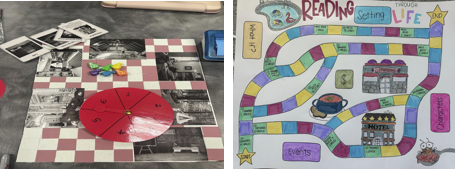
Researcher observations from in-person course sections indicated that students worked collaboratively to design games tailored to specific grade levels and learner audiences. Many groups selected elementary-aged students as their primary audience and designed games that emphasized foundational skills and content review. A notable number of game concepts were modeled after familiar commercial board games, such as Candyland and Clue, suggesting that students drew on known game structures during the design process.
While students demonstrated a clear awareness of design constraints and instructional goals, several groups struggled to articulate consistent, clear win conditions. In some cases, games included multiple or competing criteria for winning, which created ambiguity in gameplay. Observations also indicated that students generally appeared engaged during the design process and expressed enjoyment when testing and playing their games with peers.
Game Artifacts
Analysis of 29 prototypes and companion guides showed that PSTs designed instructional media aligned with content standards. Guides identified each game’s purpose, objectives, intended players, rules, and classroom use, linking mechanics to disciplinary content and learning goals. Prototypes included traditional, digital, and hybrid formats created with tools such as Canva, Figma, Interacty, and Kahoot; across formats, designs commonly used turn-taking, competition, progression, and defined end conditions.
Figure 3
Examples of Participants’ Board Games Based on Commercial Games
Approximately half of the prototypes (n ≈ 15) incorporated GenAI tools during the design process. Students most frequently reported using GenAI, such as ChatGPT and Canva’s AI-supported design features, to brainstorm game concepts, generate or refine visual elements, and simplify or clarify game rules. In several cases, students described iterative prompting processes in which AI-supported outputs were revised multiple times to align with their instructional goals and target age group. GenAI was also used to support content integration, including generating ideas for embedding disciplinary literacy practices (e.g., argumentative writing or mathematics concepts) into gameplay. GenAI tools were not used to automate gameplay or assessment; instead, they functioned as design supports, with students maintaining control over pedagogical and content-related decisions.
Eight prototypes were developed as fully online games using digital platforms. Although these games leveraged digital affordances, their underlying structures closely resembled those of traditional board games, emphasizing player competition, content-based challenges, and a clear end condition to signal gameplay completion. Across both analog and digital formats, competition among players emerged as a dominant design feature.
The course instructors initially analyzed the games using rubrics that included criteria for game layout and content requirements. Each game prototype addressed targeted game mechanics that supported the learning of curriculum content, age appropriateness, and adherence to game rules. The digital or physical game prototypes were submitted with companion guides that reviewed their usefulness to the intended audience — children as players or teachers. The language used in the game rules was suitable for readers in Grades 3 and above. Games designed for preschool children and children in Grades K-2 included instructions (game rules) written for an adult/teacher to guide young players. The game reflection task was implemented to give students the opportunity to reflect on their GBL experiences and share how they might integrate the game prototypes into their future teaching.
Synthesis
Across data sources, PSTs entered the GBL Module with generally positive perceptions of games as instructional tools, particularly for promoting engagement, motivation, and content reinforcement, despite limited prior experience designing instructional games. These perceptions were often shaped by participants’ own K–12 experiences and framed games as most effective for review rather than inquiry-oriented instruction, with many associating GBL primarily with elementary contexts.
Engagement in the game design process revealed both the potential and complexity of instructional game development, as PSTs aligned game artifacts with content standards and learning objectives while frequently relying on familiar commercial game structures and competitive mechanics. Although these familiar formats supported feasibility, they constrained innovation and surfaced challenges related to rule clarity and instructional precision.
Approximately half of the prototypes incorporated GenAI tools that served as scaffolds for brainstorming, visual design, rule refinement, and content integration rather than as automated instructional agents. Collectively, these findings suggest that game-based, AI-supported design experiences may foster emerging pedagogical awareness while also revealing persistent tensions regarding instructional scope, grade-level applicability, and confidence in classroom implementation, thereby providing a foundation for the discussion that follows.
Discussion
Interpreting PSTs’ Perceptions of Game-Based Learning
PSTs entered the module with positive views of GBL as a means to promote engagement, motivation, and content reinforcement, despite limited game-design experience. Their responses nevertheless framed games primarily as tools for review and memorization rather than inquiry or deeper conceptual learning, echoing research showing favorable attitudes alongside limited pedagogical preparation (An, 2018; Gerber & Price, 2013; Lester et al., 2023; Rüth et al., 2022). The design experience complicated these assumptions by requiring participants to align rules, mechanics, and objectives, moving them from general enthusiasm toward more grounded pedagogical reasoning (Easterling, 2021; Jääskä & Aaltonen, 2022).
Interpreting Preservice Teachers’ Experiences With AI-Supported Game Design
PSTs experienced game design as engaging but cognitively and pedagogically demanding, particularly when translating instructional goals into coherent mechanics (as also in Kafai & Burke, 2016). Familiar game structures helped novice designers complete prototypes but constrained innovation and reinforced competitive, turn-based formats (see also Nautiyal et al., 2024). Approximately half of the prototypes used GenAI for brainstorming, visual design, or rule clarification rather than automated gameplay or assessment, thereby preserving PSTs’ pedagogical agency and aligning with human-centered AI integration (as in Cha et al., 2025; Gong et al., 2026). Persistent difficulty with collaboration, project scope, classroom feasibility, and grade-level applicability indicates a need for explicit scaffolding and sustained practice (An, 2018; Easterling, 2021).
Implications for Teacher Education and Instructional Design
The findings from this study should be considered preliminary in nature, given its limitations. The findings offer suggestions for designing educational gaming practices in teacher education programs that can support meaningful technology integration. Nevertheless, this study did not directly assess PSTs’ TPACK-G framework development; instead, the framework informed the game design experience PSTs underwent andservedas an interpretive lens for examining this study’s findings. Therefore, the finding interpretations discussed next should be treated as tentative patterns supported through triangulation rather than as evidence that the game design experience resulted in measurable growth in TPACK-G.
First, PSTs’ positive views of games and reliance on familiar game structures reflect emerging GK, which can inform how PSTs might be willing to integrate these tools into their content teaching (Hsu et al., 2020; Kuo & Kuo, 2024). While entering the game design experience with generally positive perceptions of GBL, their experiences revealed the complexity of aligning content goals, pedagogical intent, and game mechanics. For example, interviewees discussed classroom management considerations, student engagement, feasibility, and the time required to design a meaningful game, while observations showed that some groups struggled to establish coherent win conditions. These challenges highlight the need for teacher education curricula that intentionally cultivate GPK by engaging PSTs in analyzing, designing, and revising games as instructional tools rather than positioning games as add-on engagement strategies (Hsu et al., 2020; Kuo & Kuo, 2024).
Second, PSTs’ use of AI tools during the design process may support aspects of GK by helping them brainstorm concepts, generate visuals, and clarify rules, while PSTs retain responsibility for instructional decisions. Their use of AI in this study suggests that these tools might scaffold early-stage game ideation and refinement without displacing their pedagogical knowledge, allowing PSTs to actively use AI in the game design process (Dyulicheva & Glazieva, 2021). Still, these findings do not show that AI use itself can strengthen GPCK, as the study did not directly assess or measure this construct. In this study, AI use may have helped PSTs navigate game technologies while simultaneously strengthening their ability to align game mechanics with disciplinary content and learning objectives.
The module’s interdisciplinary structure created conditions for integrated TPACK-G reasoning by asking PSTs to connect disciplinary literacy, instructional goals, learner characteristics, and game design. . The module’s instructional content, combined with the scaffolded game design experience, fostered opportunities for PSTs to consider how games function not only as technological artifacts but also as pedagogical tools embedded within disciplinary practices. PSTs’ game artifacts showed that groups produced standards-aligned games and companion guides that linked learning objectives, rules, mechanics, and classroom use. However, due to data limitations, it is not possible to indicate whether the cross-course structure itself produced these outcomes or whether participants consistently integrated the framework dimensions.
Findings also point to PSTs’ assumptions about the appropriateness of GBL across grade levels. PSTs viewed games as most suitable for elementary instruction or for review and reinforcement. Some interviewees even questioned whether game-based approaches would fit middle-grades content and classroom realities. PSTs’ reliance on personal experiences suggests that they had not yet developed a broad repertoire for matching mechanics and pedagogical strategies to different disciplines, age groups, and learning purposes. These findings are consistent with previous studies indicating the difficulty of implementing appropriate games and pedagogy in teaching (Hsu et al. 2013). Teacher education programs should provide explicit opportunities for PSTs to examine how game mechanics can support pedagogical strategies and disciplinary literacy at multiple grade levels, expanding their understanding of GPCK beyond familiar instructional scenarios.
Finally, the iterative design process may offer a plausible mechanism for strengthening TPACK-G. Opportunities to test prototypes, receive feedback from peers and instructors, and revise designs may have helped PSTs recognize the interdependence among game mechanics, instructional clarity, and learner experience. Future implementations should retain iterative design cycles while collecting more data on how specific feedback leads PSTs to revise content, pedagogy, or game design decisions.
Overall, the findings indicate that AI-supported game design may provide a context in which PSTs encounter problems relevant to GK, GPK, and GPCK, especially for emerging awareness of game structures, pedagogical planning, and content-mechanics alignment. Although the TPACK-G framework was mainly used to design the game design experience for PSTs, future iterations could align the research methods and instruments with GK, GPK, and GPCK to determine whether and how this design experience can contribute to TPACK-G development over time.
Limitations
This study was limited by its single-institution context, small and declining participant sample, reliance on self-report, and brief one-semester implementation. Of 83 students across four sections, 22 completed the presurvey, only three began the postsurvey, two completed it, and three participated in interviews. These response patterns may overrepresent participants with strong interest in or favorable experiences with GBL. Program structure, faculty expertise, and the approximately 1-month intervention also limit transferability and prevent conclusions about sustained changes in beliefs or practice. Multiple iterations across institutions and contexts are needed to establish more robust patterns.
Future Directions and Recommendations
Next Iteration of the Project
The next EDBR iteration will strengthen scaffolding for project scope, rapid prototyping, and collaborative design. Revised instruments will also gather more complete evidence about how PSTs understand and use GenAI during game design. These changes respond directly to participants’ difficulty narrowing ambitious ideas and to the limited data collected during the pilot.
Recommendations
PSTs entered the module with positive views of GBL but tended to frame games as tools for engagement and review. GenAI supported brainstorming and visual development, allowing participants to concentrate on educational decisions, while the design process required them to align objectives, mechanics, and learner needs. These experiences supported emerging game knowledge and game pedagogical knowledge, but reliance on familiar formats and uncertainty across grade levels show that enthusiasm does not automatically translate into instructional readiness.
Future research should examine further the impacts of AI-supported game design experiences, especially with teachers and their students; explore implementation across different disciplinary and grade-level contexts; and investigate how sustained design-based opportunities influence the development of PSTs’ TPACK-G. These findings suggest that thoughtfully designed AI-supported game design experiences may hold promise for advancing teacher preparation toward more integrated, inquiry-oriented, and technologically responsive pedagogies.
Author Note
The authors used ChatGPT (OpenAI), Microsoft Copilot (Microsoft), and Grammarly during the preparation of this manuscript to assist with brainstorming, language refinement, visual representation, organization of ideas, identifying peer-reviewed journal articles, literature review synthesis, editing, reference check, and APA 7 formatting. We reviewed, revised, and verified all content and take full responsibility for the final manuscript.
References
Acquah, E. O., & Katz, H. T. (2020). Digital game-based L2 learning outcomes for primary through high-school students: A systematic literature review. Computers & Education, 143, 103667. https://doi.org/10.1016/j.compedu.2019.103667
Adler, R. H. (2022). Trustworthiness in qualitative research. Journal of Human Lactation, 38(4), 598-602. https://doi.org/10.1177/089033442211166
Akhmetova, A. I., Seitenova, S. S., Khodjaev, B. K., Jamoldinova, O. R., Yerkebaeva, S. Z., & Kazybayeva, K. U. (2025). Evolution of game‑based learning research: A cross‑database bibliometric analysis and visualization study (2015–2024). Contemporary Educational Technology, 17(3), ep585. https://doi.org/10.30935/cedtech/16451
Al-Azawi, R., Al-Faliti, F., & Al-Blushi, M. (2016). Educational gamification vs. game based learning: Comparative study. International Journal of Innovation, Management and Technology, 7(4), 131. https://doi.org/10.18178/ijimt.2016.7.4.659
Alenezi, A. (2023). Teacher perspectives on AI-driven gamification: Impact on student
motivation, engagement, and learning outcomes. Information Technologies and Learning Tools, 97(5), 138-148. https://doi.org/10.33407/itlt.v97i5.5437
An, Y. (2018). The effects of an online professional development course on teachers’ perceptions, attitudes, self-efficacy, and behavioral intentions regarding digital game-based learning. Educational Technology Research and Development, 66(6), 1505-1527. https://doi.org/10.1007/s11423-018-9620-z
UNMASK: Author. (2026). Game Design Funnel prompt for AI image generated by CoPilot
Barab, S. A., & Squire, K. D. (2004). Design-based research: Putting a stake in the ground. Journal of the Learning Sciences, 13(1), 1–14. https://doi.org/10.1207/s15327809jls1301_1
Barreto, D., & Ertzberger, J. (2026). Game on!: How to Incorporate Games and Gamification in Education. In S. A.-T. Ápi (Ed.), Gamify Your College Classroom (pp. 31–39). Routledge. https://doi.org/10.4324/9781003507024
Barreto, D., Vasconcelos, L., & Orey, M. (2017). Motivation and learning engagement through playing math video games. Malaysian Journal of Learning and Instruction, 14(2), 1–21. https://doi.org/10.32890/mjli2017.14.2.1
Belda-Medina, J., & Calvo-Ferrer, J. R. (2022). Preservice teachers’ knowledge and attitudes toward digital-game-based language learning. Education Sciences, 12(3), 182. https://doi.org/10.3390/educsci12030182
Breien, F. S., & Wasson, B. (2021). Narrative categorization in digital game‐based learning: Engagement, motivation and learning. British Journal of Educational Technology, 52(1), 91-111. https://doi.org/10.1111/bjet.13004
Cha, S., Lee, J., & Zapata, R. (2025). A systematic review of interactivity in game‐based learning with AI. Proceedings of the Association for Information Science and Technology, 62(1), 1379-1382. https://doi.org/10.1002/pra2.1410
Charmaz, K. (2006). Constructing grounded theory: A practical guide through qualitative analysis. Sage
Chen et al., 2021
Chen, P.-Y., Hwang, G.-J., Yeh, S.-Y., Chen, Y.-T., Chen, T.-W., & Chien, C.-H. (2022). Three decades of game‑based learning in science and mathematics education: An integrated bibliometric analysis and systematic review. Journal of Computers in Education, 9, 455–476. https://doi.org/10.1007/s40692-021-00210-y
Chen, S., Zhang, S., Qi, G. Y., & Yang, J. (2020). Games literacy for teacher education. Educational Technology & Society, 23(2), 77-92. https://www.jstor.org/stable/26921135
Delage, C., Palayer, M., Lerouet, D., & Besson, V. C. (2024). “Pharmacotrophy”: A playful tournament for game- and team-based learning in pharmacology education – assessing its impact on students’ performance. BMC Medical Education, 24(1), 219-219. https://doi.org/10.1186/s12909-024-05157-z.
De Smet, C. (2024). A qualitative evaluation study of introducing game-based learning methods during pre-service teachers’ internship. Studies in Educational Evaluation, 83, 101388. https://doi.org/10.1016/j.stueduc.2024.101388
Duncan, K. J. (2020). Examining the effects of immersive game-based learning on student engagement and the development of collaboration, communication, creativity and critical thinking. TechTrends, 64(3), 514-524. https://doi.org/10.1007/s11528-020-00500-9
Dyulicheva, Y. Y., & Glazieva, A. O. (2021). Game based learning with artificial intelligence and immersive technologies: An overview. CS&SE@SW2021:4thWorkshop for Young Scientists in Computer Science & Software Engineering, 146-159. [PUBLISHER OR URL TO ONLINE LOCATION?]
Dwyer, S. (2018). Gameful engagement: Gamification, critical thinking, and first-year composition. Double Helix: A Journal of Critical Thinking and Writing, 6(1), 1–13. https://doi.org/10.37514/DBH-J.2018.6.1.07
Easterling, A. (2021). Digital game-based learning: Teacher training, perceptions, benefits, and barriers (Publication No. 78) [Master’s culminating project, St. Cloud State University]. Culminating Projects in Education Administration and Leadership. https://repository.stcloudstate.edu/edad_etds/78
Entertainment Software Association. (2025). 2025 essential facts about the U.S. video game industry [Fact sheet]. https://www.theesa.com/wp-content/uploads/2025/06/2025-Essential-Facts-Booklet-05-30-25-RGB.pdf
Gaudelli, W., & Taylor, A. (2011). Modding the global classroom? Serious video games and teacher reflection. Contemporary Issues in Technology and Teacher Education, 11(1), 70-91. https://citejournal.org/volume-11/issue-1-11/social-studies/modding-the-global-classroom-serious-video-games-and-teacher-reflection
Gerber, H. R., & Price, D. P. (2013). Fighting baddies and collecting bananas: Teachers’ perceptions of games-based literacy learning. Educational Media International, 50(1), 51-62. https://doi.org/10.1080/09523987.2013.777182
Glesne, C. (2011). Becoming qualitative researchers: An introduction (4th ed). Longman.
Gomez, M. J., Ruiperez-Valiente, J. A., & Clemente, F. J. G. (2023). A systematic literature review of game-based assessment studies: Trends and challenges. IEEE Transactions on Learning Technologies, 16(4), 1-16. https://doi.org/10.1109/TLT.2022.3226661.
Gong, Y., Wang, M., Tu, Y., Huang, C., & Zhang, D. (2026). Beyond pre-scripted interactions: Mapping the integration of LLMs in digital game-based learning – a scoping review. Entertainment Computing, 56, 101082. https://doi.org/10.1016/j.entcom.2026.101082.
Gui, Y., Cai, Z., Yang, Y., Kong, L., Fan, X., & Tai, R. H. (2023). Effectiveness of digital educational game and game design in STEM learning: A meta‑analytic review. International Journal of STEM Education, 10, 36. https://doi.org/10.1186/s40594-023-00424-9
Hernandez, J., & Ramirez, R. (2024). Introducing pre-service teachers to game-based learning. International Journal of Educational Technology and Learning, 17(1), 1-8.
Hsu, C. -Y., & Chai, C. S. (2012). Exploring preschool teachers’ technological pedagogical content knowledge with educational games. In B. Chang, S. C. Tan, T. Matsui, G. Biswas, L. -H. Wong, T. Hirashima & W. Chen (Eds.), Proceedings of the 20th International Conference on Computers in Education (pp. 302-308). Singapore: Asia-Pacific Society for Computers in Education.
Hsu, C., Liang, J., Chai, C. S., & Tsai, C. (2013). Exploring preschool teachers’ technological pedagogical content knowledge of educational games. Journal of Educational Computing Research, 49, 461- 479. https://doi.org/10.2190/EC.49.4.c
Hsu, C. Y., Liang, J. C., & Tsai, M. J. (2020). Probing the structural relationships between teachers’ beliefs about game-based teaching and their perceptions of technological pedagogical and content knowledge of games. Technology, Pedagogy and Education, 29(3), 297-309. https://doi.org/10.1080/1475939X.2020.1752296
Huertas-Abril, C. A., & Muszyńska, B. (2023). Effects of playing the video game Her Story on multiple dimensions of creativity in EFL writing–An international replication study. ReCALL, 35(2), 193-210. https://doi.org/10.1017/S095834402300006X
Hwang, W. Y., Shih, T. K., Ma, Z. H., Shadiev, R., & Chen, S. Y. (2015). Evaluating listening and speaking skills in a mobile game-based learning environment with situational contexts. Computer Assisted Language Learning, 29(4), 639–657. https://doi.org/10.1080/09588221.2015.1016438
Jääskä, E. (2023). Game-based learning methods in project management higher education (Master’s thesis, University of Oulu). University of Oulu Repository. https://oulurepo.oulu.fi/bitstream/handle/10024/46380/isbn978-952-62-3683-4.pdf?sequence=1
Jääskä, E., & Aaltonen, K. (2022). Teachers’ experiences of using game-based learning methods in project management higher education. Project Leadership and Society, 3, 100041. https://doi.org/10.1016/j.plas.2022.100041
Jaiswal, A. (2021). Revisiting the historical roots of game‑based learning. TechTrends, 65(3), 243–245. https://doi.org/10.1007/s11528-021-00603-x
Kafai, Y. B., & Burke, Q. (2016). Constructionist gaming: Understanding the benefits of making games for learning. Educational Psychologist, 51(3–4), 313–334. https://doi.org/10.1080/00461520.2016.1209232
Kaimara, P., Fokides, E., Oikonomou, A., & Deliyannis, I. (2021). Potential barriers to the implementation of digital game-based learning in the classroom: Pre-service teachers’ views. Technology, Knowledge and Learning, 26(4), 825-844. https://doi.org/10.1007/s10758-021-09512-7
Khalafalla, F. G., & Alqaysi, R. (2021). Blending team-based learning and game-based learning in pharmacy education. Currents in Pharmacy Teaching and Learning, 13(8), 992-997. https://doi.org/10.1016/j.cptl.2021.06.013
Koehler, M. J., & Mishra, P. (2005). Teachers learning technology by design. Journal of Computing in Teacher Education, 21(3), 94–102. https://doi.org/10.1080/10402454.2005.10784518
Kuo, Y.-C., & Kuo, Y.-T. (2024). An exploratory study of pre-service teachers’ perceptions of technological pedagogical content knowledge of digital games. Research and Practice in Technology Enhanced Learning, 19, Article 8. https://doi.org/10.58459/rptel.2024.19008
Kuo, Y.-C., Kuo, Y.-T., & Walker, A. (2026). Pre‑service teachers’ perceptions of integrating digital games into future teaching. Research and Practice in Technology Enhanced Learning, 21, 007. https://doi.org/10.58459/rptel.2026.21007
Lester, D., Skulmoski, G. J., Fisher, D. P., Mehrotra, V., Lim, I., Lang, A., & Keogh, J. W. L. (2023). Drivers and barriers to the utilisation of gamification and game-based learning in universities: A systematic review of educators’ perspectives. British Journal of Educational Technology, 54, 1748–1770. https://doi-org.liblink.uncw.edu/10.1111/bjet.13311
Leitner, M., Greenwald, E., Wang, N., Montgomery, R., & Merchant, C. (2023). Designing game-based learning for high school artificial intelligence education. International Journal of Artificial Intelligence in Education, 33(2), 384-398. https://doi.org/10.1007/s40593-022-00327-w
Liu, P., Yuan, W., Fu, J., Jiang, Z., Hayashi, H., & Neubig, G. (2023). Pre-train, prompt, and predict: A systematic survey of prompting methods in natural language processing. ACM Computing Surveys, 55(9), 1-35. arXiv: 2107.13586
Lomas, J. D., Koedinger, K., Patel, N., Shodhan, S., Poonwala, N., & Forlizzi, J. L. (2017, May). Is difficulty overrated? The effects of choice, novelty and suspense on intrinsic motivation in educational games. Proceedings of the 2017 CHI conference on human factors in computing systems (pp. 1028-1039). https://doi.org/10.1145/3025453.302563
Marklund, B. B., & Taylor, A. S. A. (2016). Educational games in practice: The challenges involved in conducting a game-based curriculum. Electronic Journal of e-Learning, 14(2), 122-135.
Mavroudi, A., Almeida, T., Frennert, S., Laaksolahti, J., & Viberg, O. (2022). A card game for designing activities for technology-enhanced learning in higher education. Education and Information Technologies, 27(2), 2367-2383. https://doi.org/10.1007/s10639-021-10668-z
McKenney, S., & Reeves, T. C. (2019). Conducting educational design research (2nd ed.). Routledge.
Naeem, M., Ozuem, W., Howell, K., & Ranfagni, S. (2023). A step-by-step process of thematic analysis to develop a conceptual model in qualitative research. International Journal of Qualitative Methods, 22. https://doi.org/10.1177/160940692312057
Nautiyal, V. V., Silverio, S. A., & Salvador, E. E. P. (2024). Let’s get on‑board: A practical framework for designing and implementing educational board games in K‑12 classrooms. Frontiers in Education, 9, 1420515. https://doi.org/10.3389/feduc.2024.1420515
Ng, D. T. K., Xinyu, C., Leung, J. K. L., & Chu, S. K. W. (2024). Fostering students’ AI literacy development through educational games: AI knowledge, affective and cognitive engagement. Journal of Computer Assisted Learning, 40(5), 2049-2064. https://doi.org/10.1111/jcal.13009
Nousiainen, T., Kangas, M., Rikala, J., & Vesisenaho, M. (2018). Teacher competencies in game‑based pedagogy. Teaching and Teacher Education, 74, 85–97. https://doi.org/10.1016/j.tate.2018.04.012
Ntokos, K. (2019). Swords and sorcery: A structural gamification framework for higher education using role-playing game elements. Research in Learning Technology, 27. https://doi.org/10.25304/rlt.v27.2272
Piaget, J. (1983). Piaget’s theory. (G. Gellerier, Trans.). In P. Mussen (Ed.), Handbook of child psychology (4th ed., Vol.1, pp. 103-128). Wiley.
Ragni, B., Toto, G. A., di Furia, M., Lavanga, A., & Limone, P. (2023). The use of Digital Game‑Based Learning (DGBL) in teachers’ training: A scoping review. Frontiers in Education, 8, 1092022. https://doi.org/10.3389/feduc.2023.1092022.
Roulston, K. (2010). Reflective interviewing: A guide to theory and practice. Sage Publications Ltd.
Rubio-Campillo, X. (2024). What history are we playing today? An analysis over 50 years of historical board games. Cogent Arts & Humanities, 11(1), 2417503. https://doi.org/10.1080/23311983.2024.2417503
Rulyansah, A., Ghufron, S., Nafiah, A., & Akhwani. (2023). Competencies of teachers in game‑based pedagogy. Pegem Journal of Education and Instruction, 13(2), 354–370. https://doi.org/10.47750/pegegog.13.02.39
Rüth, M., Birke, A., & Kaspar, K. (2022). Teaching with digital games: How intentions to adopt digital game‐based learning are related to personal characteristics of pre‐service teachers. British Journal of Educational Technology, 53(5), 1412-1429. https://doi.org/10.1111/bjet.13201
Safdar, U., Shafi, S., & Junaid, M. (2025). The impact of AI-driven gamification on student engagement and academic performance in English language teaching. Indus Journal of Social Sciences, 3(1), 646-656. https://doi.org/10.59075/ijss.v3i1.758
Salmanova, S. (2025). Gamification and AI in language learning–A new era of digital education. Acta Globalis Humanitatis Et Linguarum, 2(1), 262-269. https://doi.org/10.69760/aghel.02500134
Šćepanović, S., Žarić, N. A. Đ. A., & Matijević, T. (2015, September). Gamification in higher education learning–State of the art, challenges and opportunities. In [PROCEEDINGS OF?] The sixth international conference on e-Learning (pp. 24-25). [PUBLISHER?]
Schunk, D. H. (2008). Learning theories: An educational perspective (5th ed.). Pearson.
Shin, A. (2024). Effects of simulated gamification on empathy in middle school students: A mixed methods study. IOSR Journal of Research & Method in Education, 14(1), 60-68.
Tang, X., & Taguchi, N. (2021), Digital game-based learning of formulaic expressions in second language Chinese. The Modern Language Journal, 105, 740-759. https://doi.org/10.1111/modl.12725
Thompson, C. G., & von Gillern, S. (2020). Video-game based instruction for vocabulary acquisition with English language learners: A Bayesian meta-analysis. Educational Research Review, 30, 100332. https://doi.org/10.1016/j.edurev.2020.100332
Villa III, A. M., Sedlacek, Q. C., & Pope, H. Y. (2023). I DiG STEM: A teacher professional development on equitable digital game-based learning. Education Sciences, 13(9), 964. https://doi.org/10.3390/educsci13090964
Voogt, J., Fisser, P., Pareja Roblin, N., Tondeur, J., & van Braak, J. (2013). Technological pedagogical content knowledge – A review of the literature. Journal of Computer Assisted Learning, 29(2), 109-121. https://doi.org/10.1111/j.1365-2729.2012.00487.x
Wang, X., Cheng, M., & Li, X. (2023). Teaching and learning computational thinking through game-based learning: A systematic review. Journal of Educational Computing Research, 61(7), 1505-1536. https://doi.org/10.1177/07356331231180951
Yang, X. (2021). Students’ and teachers’ perceptions of using video games in science classroom: A literature review. SN Computer Science, 2, 411. https://doi.org/10.1007/s42979-021-00803-5
Yaman, H., Sousa, C., Neves, P. P., & Luz, F. (2024). Implementation of game‑based learning in educational contexts: Challenges and intervention strategies. Electronic Journal of e‑Learning, 20(6), 585–601. https://doi.org/10.34190/ejel.22.10.3480
Zhu, C., Sam, C. H., Wu, Y., & Tang, Y. (2025, November). Wip: Enhancing game-based learning with AI-driven peer agents. In 2025 IEEE Frontiers in Education Conference (pp. 1-5). https://doi.org/10.48550/arXiv.2508.01169
